Dharshini

Please wait...

Oncology Surgery

Welcome Dharshini Hospital

best-oncology-hospital-in-dindigul

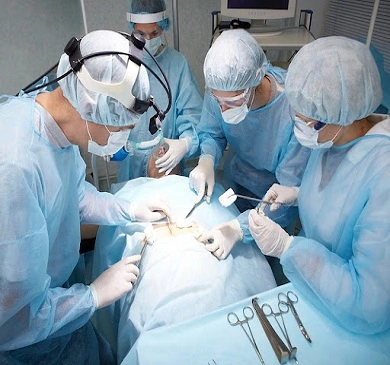
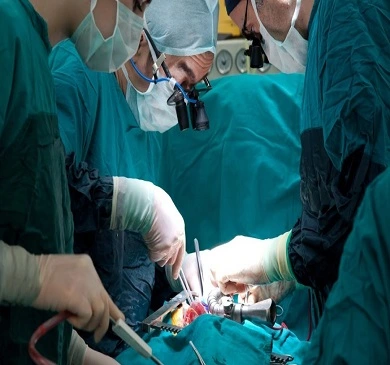
Oncologic surgery is a critical branch of oncology focused on the surgical removal of cancerous tumors and affected tissues. It is often one of the primary treatment methods for cancer and can be used in combination with other treatments like chemotherapy, radiation, and immunotherapy. Surgical oncologists are specialized surgeons trained to perform complex procedures aimed at removing cancer, diagnosing its extent, and improving the quality of life for patients with cancer.

Oncologic surgery can be categorized into several types based on its purpose in the cancer treatment plan:
    1. Curative Surgery
  • Goal: To completely remove the tumor and cancerous tissue from the body, ideally curing the patient.
  • Procedure: Performed when the cancer is localized (has not spread to other areas). Surgeons remove the tumor along with some surrounding healthy tissue (known as margins) to ensure no cancer cells are left behind.
  • Example: Mastectomy (removal of the breast for breast cancer), colectomy (removal of part of the colon for colorectal cancer).
    • 2. Debulking Surgery
  • Goal: To remove as much of the tumor as possible when removing all of it would cause too much damage to surrounding organs or tissues.
  • Procedure: Often used when the tumor is too large or attached to vital structures. This surgery is usually followed by chemotherapy or radiation to treat the remaining cancer cells.
  • Example: Debulking surgery is common in ovarian cancer where the entire tumor can't be safely removed.

    • 3. Pediatric Urology
  • Hypospadias: A congenital condition where the opening of the urethra is not located at the tip of the penis but somewhere along the underside. It often requires surgical correction.
  • Vesicoureteral Reflux (VUR): A condition in children where urine flows backward from the bladder into the kidneys, which can lead to infections or kidney damage.
  • Bedwetting (Nocturnal Enuresis): Persistent bedwetting may require intervention, especially when related to bladder function or structural issues.
  • cancer-treatment-specialists-in-dindigul
    advanced-cancer-care-in-dindigul
      4. Palliative Surgery
  • Goal: To relieve symptoms or improve the quality of life for patients with advanced cancer, rather than curing the disease.
  • Procedure: Palliative surgery might involve removing part of a tumor that is causing pain, bleeding, or obstruction, or fixing issues caused by the cancer, such as a blocked intestine.
  • Example: Surgery to bypass a tumor causing bowel obstruction in gastrointestinal cancer.

    • 5. Preventive (Prophylactic) Surgery
  • Goal: To prevent cancer from developing in individuals who have a high risk due to genetic predispositions or pre-cancerous conditions.
  • Procedure: Involves removing tissues or organs that are likely to become cancerous.
  • Example: Prophylactic mastectomy in women with BRCA1 or BRCA2 gene mutations to prevent breast cancer.
  • View More

    Your First Step towards Oral Health Life starts here