Dharshini

Please wait...

Urology Surgery

Welcome Dharshini Hospital

urology-specialists-in-dindigul

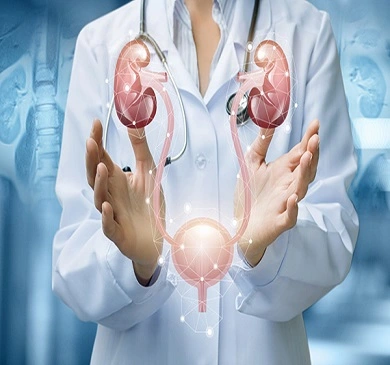
Urology is a branch of medicine that focuses on the diagnosis, treatment, and management of diseases and disorders affecting the urinary tract and the male reproductive system. Urologists are specialists in treating conditions involving the kidneys, bladder, ureters (tubes that carry urine from the kidneys to the bladder), urethra (the tube through which urine exits the body), and the male reproductive organs, including the prostate, testes, and penis.

Urology encompasses a broad range of conditions, which can be categorized into several sub-specialties:
    1. Male Urology (Andrology)
  • Erectile Dysfunction (ED): Urologists diagnose and treat conditions that cause difficulty in achieving or maintaining an erection. Treatments may include medications (such as PDE5 inhibitors like Viagra), hormone therapy, or surgical options like penile implants.
  • Male Infertility: Involves diagnosing and treating issues that affect sperm production, sperm transport, or other aspects of male fertility. Treatment may involve medications, surgery, or assisted reproductive technologies (ART).
  • Peyronie’s Disease: A condition in which scar tissue develops inside the penis, causing it to curve during erections, which can lead to pain and sexual dysfunction.
  • Testicular Disorders: Urologists manage conditions such as testicular torsion (twisting of the testicle), testicular cancer, and undescended testes.
    • 2. Female Urology
  • Urinary Incontinence: This involves involuntary leakage of urine. Urologists manage stress incontinence (leakage due to coughing, sneezing, or laughing) and urge incontinence (an overactive bladder).
  • Pelvic Organ Prolapse: A condition where the pelvic organs, such as the bladder, drop from their normal position and press against the vaginal walls.
  • Recurrent Urinary Tract Infections (UTIs): Urologists often treat chronic UTIs and work to identify underlying causes like anatomical abnormalities or bladder dysfunction.

    • 3. Pediatric Urology
  • Hypospadias: A congenital condition where the opening of the urethra is not located at the tip of the penis but somewhere along the underside. It often requires surgical correction.
  • Vesicoureteral Reflux (VUR): A condition in children where urine flows backward from the bladder into the kidneys, which can lead to infections or kidney damage.
  • Bedwetting (Nocturnal Enuresis): Persistent bedwetting may require intervention, especially when related to bladder function or structural issues.
  • best-urology-hospital-in-dindigul
    kidney-and-urinary-care-in-dindigul
      4. General Urology
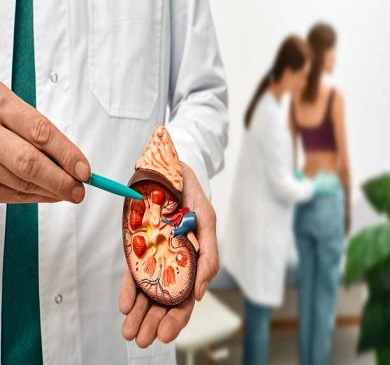
  • Kidney Stones: Urologists treat kidney stones, which are hard deposits of minerals that form in the kidneys and can cause severe pain and block urine flow. Treatment may include medications, shock wave lithotripsy (breaking stones into smaller pieces using sound waves), or surgery.
  • Urinary Tract Infections (UTIs): Urologists treat infections of the kidneys, bladder, and urethra. They may address recurrent infections or complex cases involving resistant bacteria.
  • Bladder Problems: Conditions such as overactive bladder, neurogenic bladder (caused by nervous system issues), and interstitial cystitis (a chronic condition causing bladder pain) are common areas of focus.
  • Urethral Strictures: Narrowing of the urethra, which can restrict urine flow and cause difficulty urinating, is treated through procedures like dilation or surgery.

    • 5. Urologic Oncology
  • Prostate Cancer: Urologists diagnose and treat prostate cancer, one of the most common cancers in men. Treatment options include surgery (prostatectomy), radiation therapy, hormone therapy, and active surveillance.
  • Bladder Cancer: Diagnosed using cystoscopy (endoscopy of the bladder) and imaging tests. Treatment may include surgery, chemotherapy, and immunotherapy.
  • Kidney Cancer: Can be treated with surgery to remove the tumor (partial nephrectomy) or the entire kidney (radical nephrectomy). Some cases may be treated with targeted therapies or immunotherapy.
  • Testicular Cancer: Usually treated with surgery (orchiectomy), sometimes followed by chemotherapy or radiation.